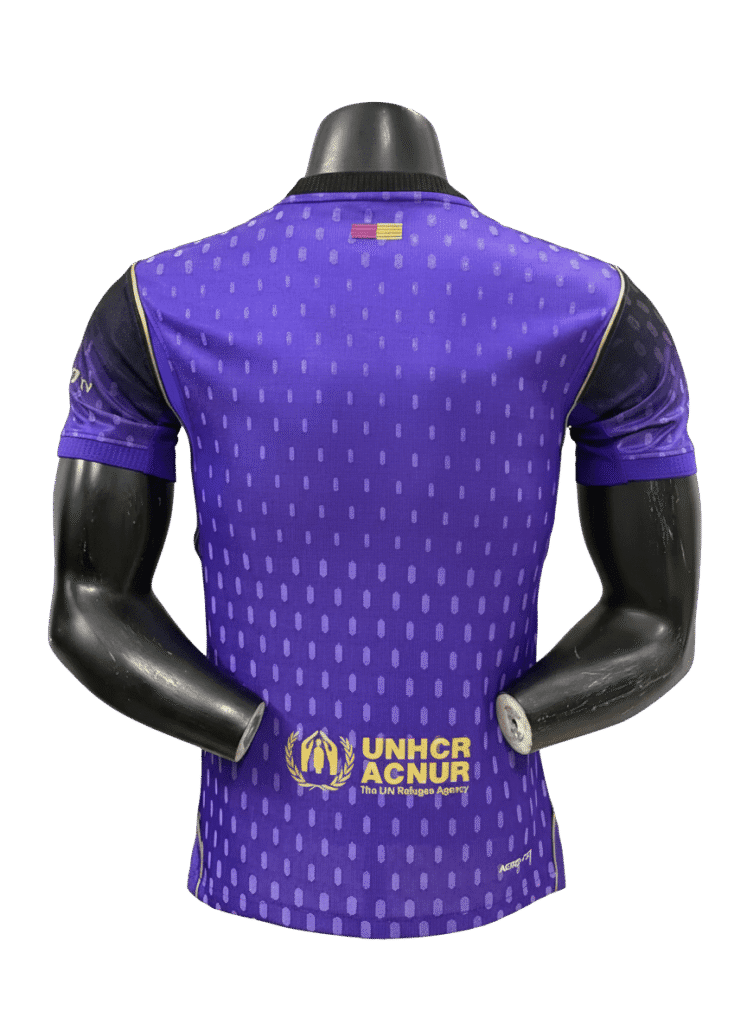
In today’s world of elite soccer, performance isn’t just about talent, tactics, or training sessions—it’s also heavily influenced by what players wear on the pitch. Modern sportswear has evolved from simple cotton kits to high-tech, engineered systems designed to improve speed, reduce injury risk, boost comfort, and optimize overall athletic output. Whether you’re watching a Champions League showdown or a local youth league match, the impact of advanced gear is everywhere. So how exactly does modern sportswear help soccer players perform at their peak? Let’s dive into the cutting-edge innovations that redefine the beautiful game.
1. Lightweight, Performance-Optimized Fabrics
The most obvious way today’s sportswear helps players is through the use of lightweight synthetic materials engineered to reduce drag, avoid water absorption, and maintain breathability throughout a match. Older jerseys used to get heavier with sweat and rain; modern kits remain almost the same weight from kickoff to final whistle.
Moisture-Wicking Technology
Most professional kits are made with wicking microfibers that pull sweat away from the skin and push it toward the surface of the fabric, where it evaporates. This helps players:
- Maintain stable body temperature
- Avoid overheating during high-intensity sprints
- Stay dry, preventing discomfort and skin irritation
This is especially helpful in tournaments played in humid or hot environments, where even small improvements in heat regulation can be the difference between finishing a run strong or fatiguing early.
2. Temperature Regulation and Thermo-Control
Modern sportswear goes beyond moisture wicking. Many elite jerseys incorporate thermo-control zones—strategically placed mesh or ventilation channels that increase airflow where the body heats up the most (upper back, sides, underarms).
Some premium kits even use body-mapping technology, digitally analyzing players’ sweat patterns and heat zones to create jerseys optimized for real-match conditions.
Cold-Weather Innovations
For winter matches, thermal base layers help:
- Retain warmth without adding bulk
- Maintain blood circulation
- Prevent muscle stiffness
Unlike the baggy undershirts of the past, today’s thermals fit like a second skin and preserve flexibility while keeping muscles warm and ready to react.
3. Compression Gear for Recovery and Performance
Compression shorts, sleeves, and socks aren’t just a trend—they are backed by sports science. Compression garments apply targeted pressure to key muscle groups, improving blood flow and reducing muscle oscillation.
Benefits for Soccer Players
- Enhanced oxygen delivery to muscles
- Reduced post-match soreness
- Minimized risk of micro-tears
- Greater stability for joints
During intense movements such as cutting, sprinting, and jumping, compression gear helps keep the muscles aligned and engaged, reducing the likelihood of strains.
4. Advanced Footwear: Soccer Cleats That Boost Performance
The evolution of the soccer boot is a story all its own. Modern cleats weigh less than half of their counterparts from the early 2000s. But it’s not just the weight—today’s football boots are engineered with:
1. High-Traction Stud Configurations
Different soleplates are optimized for firm ground, soft ground, artificial turf, or hybrid surfaces. The right grip improves acceleration, braking, and lateral movement while reducing the risk of slipping.
2. Flexible, Supportive Uppers
Synthetic uppers mimic the touch of leather while being lighter and more durable. Textured surfaces and grip zones improve ball control, helping players maintain precision during dribbles and passes.
3. Energy-Return Technology
Some top-tier boots now use carbon fiber or nylon soleplates designed to store and release energy, giving players a slight “spring” during explosive movements.
4. Custom Fit Systems
Knitted collars, adaptive lacing, and form-fitting linings wrap the foot for improved stability—almost like wearing socks with studs.
5. Injury Prevention Through Smarter Design
Modern sportswear looks good, sure—but its deepest purpose is to keep players healthy.
Impact-Absorbing Padding
Goalkeepers have long benefited from padded jerseys, but outfield players also gain from lightweight, flexible pads built into:
- Shin guards
- Compression undershorts
- Training tops
These pads are thin enough to go unnoticed but strong enough to reduce bruising and small-scale impact injuries.
Muscle-Support Built into Clothing
Some brands embed directional fabric tension into jerseys and shorts to gently support major muscle groups—like hamstrings, quadriceps, and calves—reducing fatigue and improving posture during play.
6. Materials That React to the Environment
One of the most futuristic advancements in sportswear is adaptive materials, which change properties depending on temperature, moisture levels, and movement.
Examples include:
- Fabrics that tighten slightly when wet, preventing sagging
- Materials that open micro-vents as body temperature rises
- Smart fibers that control evaporation rates
These innovations keep players comfortable in unpredictable weather, especially during international tournaments.
7. Psychological and Performance Benefits
It might sound surprising, but sportswear also affects the mental side of the game.
Confidence Through Fit and Comfort
A kit that feels good helps players focus purely on performance instead of tugging on sleeves or feeling weighed down by sweat.
Team Identity and Cohesion
High-quality, well-designed uniforms boost morale and reinforce unity. When a team feels confident in its appearance, that confidence translates into sharper, more aggressive play.
8. Data-Enhanced Smart Clothing
Some training gear now includes embedded sensors that gather biometric and performance data:
- Heart rate
- Sprint speed
- Distance covered
- Muscle activation patterns
This data helps coaches personalize training loads and prevent overtraining. While not used in official matches, smart shirts and vests have become essential in elite clubs’ weekly preparation routines.
9. Eco-Friendly Innovations: Sustainability Meets Performance
Modern sportswear brands increasingly use:
- Recycled polyester
- Water-free dyeing techniques
- Sustainable packaging
These methods reduce environmental impact without sacrificing performance. Even major clubs now wear jerseys made from ocean plastics or recycled materials—proof that sustainability and high performance can coexist.
10. Customization for Every Player and Position
Modern soccer gear isn’t one-size-fits-all. Elite players receive customized:
- Cleat stud patterns
- Jersey fits
- Base layer thickness
- Padding placement
Strikers may prefer ultra-light boots for speed, while defenders choose slightly sturdier ones for stability. Goalkeepers benefit from gloves with finger protection, enhanced grip foams, and tailored wrist straps.